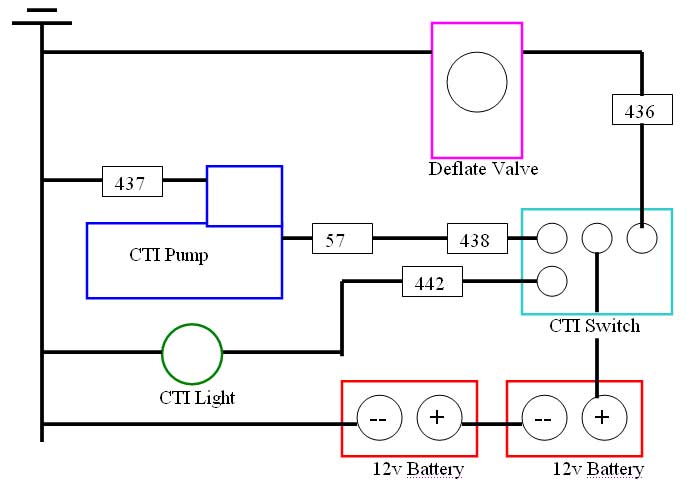
Combination Switch Schematic Wiring Diagram Switch
- Category : Diagram Switch
- Post Date : January 22, 2026
Combination Switch Schematic Wiring Diagram Switch
Installing Ctis On A Hmmwv
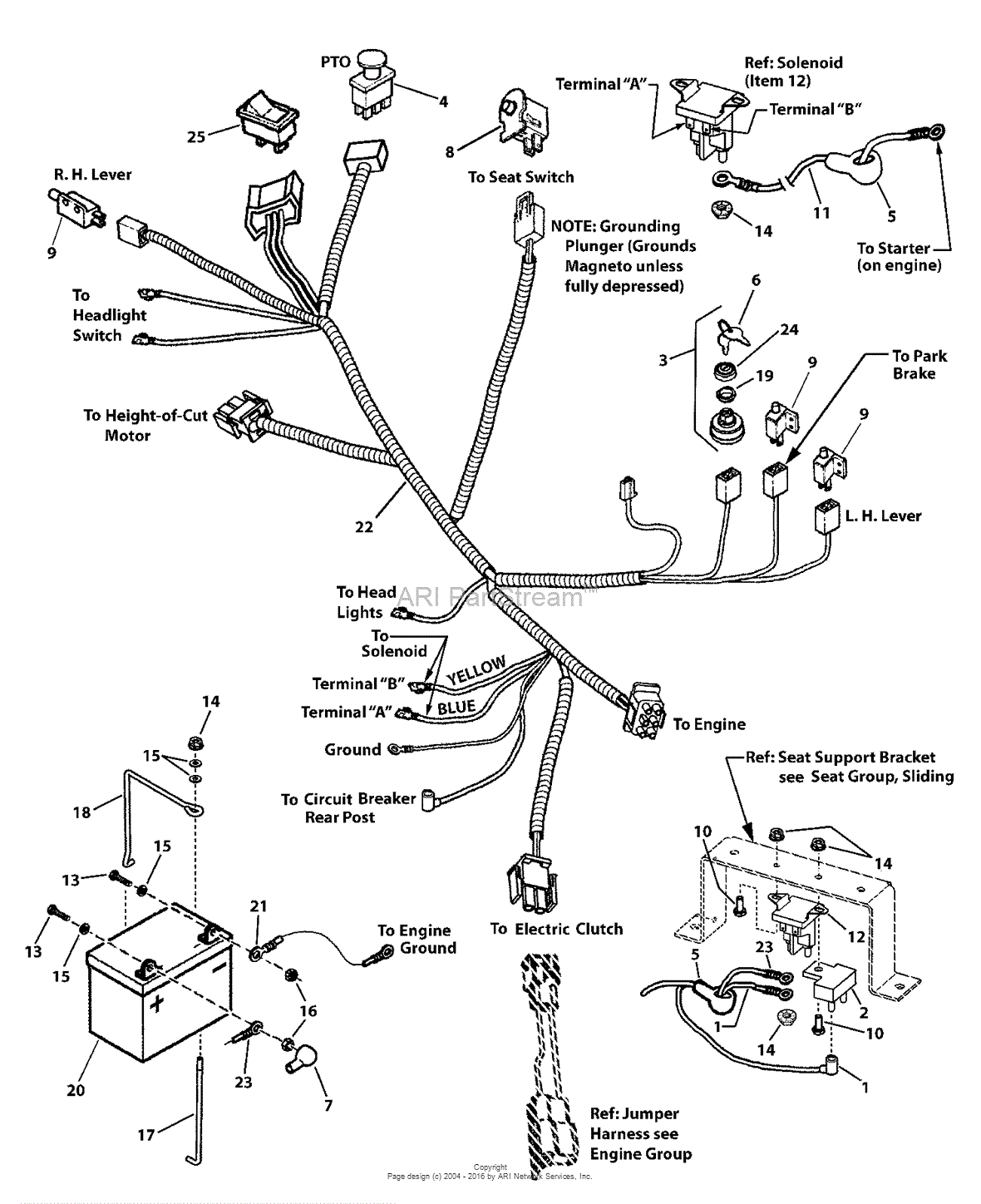
Snapper Rzt21420 7800795 42 U0026quot 21 Hp Rzt Twin Stick Series
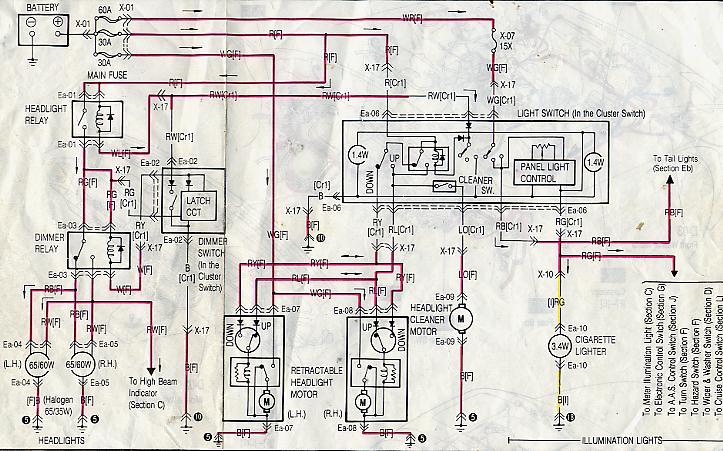
Dash Lights Dont Work - Rx7club Com

8 Channel Relay Board U2013 Circuit Wiring Diagrams

South Bend 16 Wiring
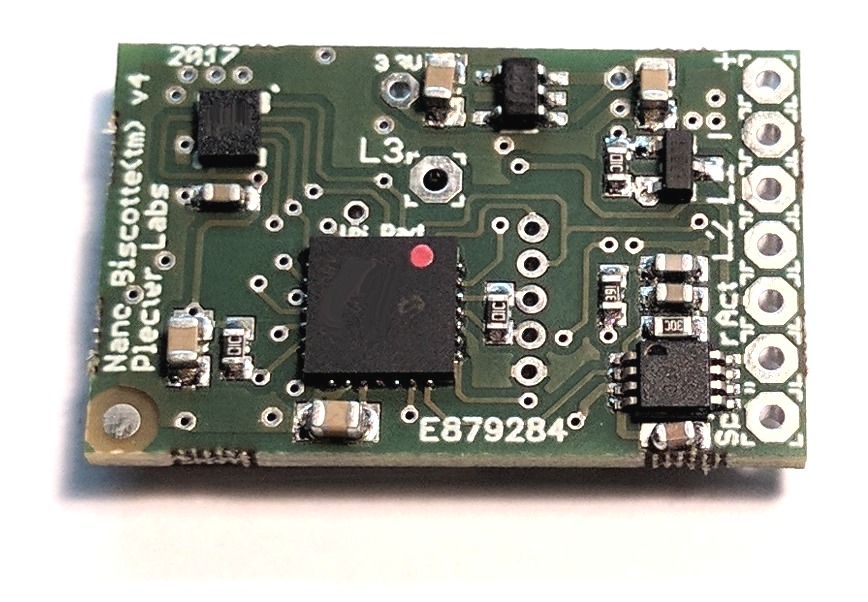
Nano Biscotte U2122 V4 0
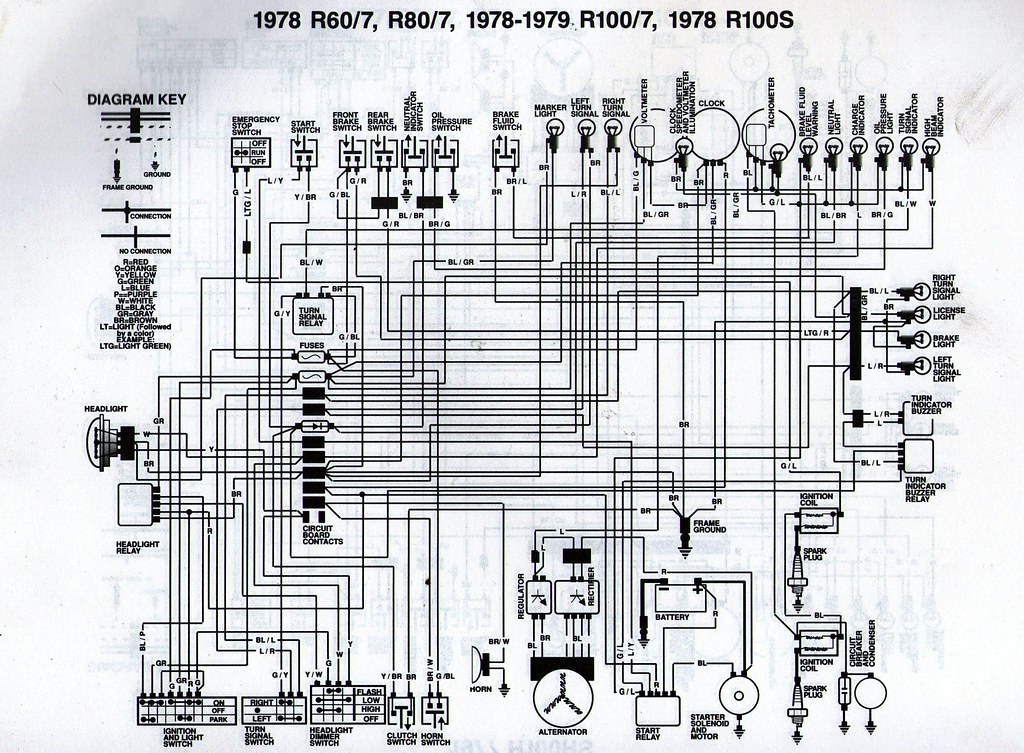
1978 Bmw R80 7 Wiring Diagram

Vacuum Tube Analyzer Page2

Repair Guides
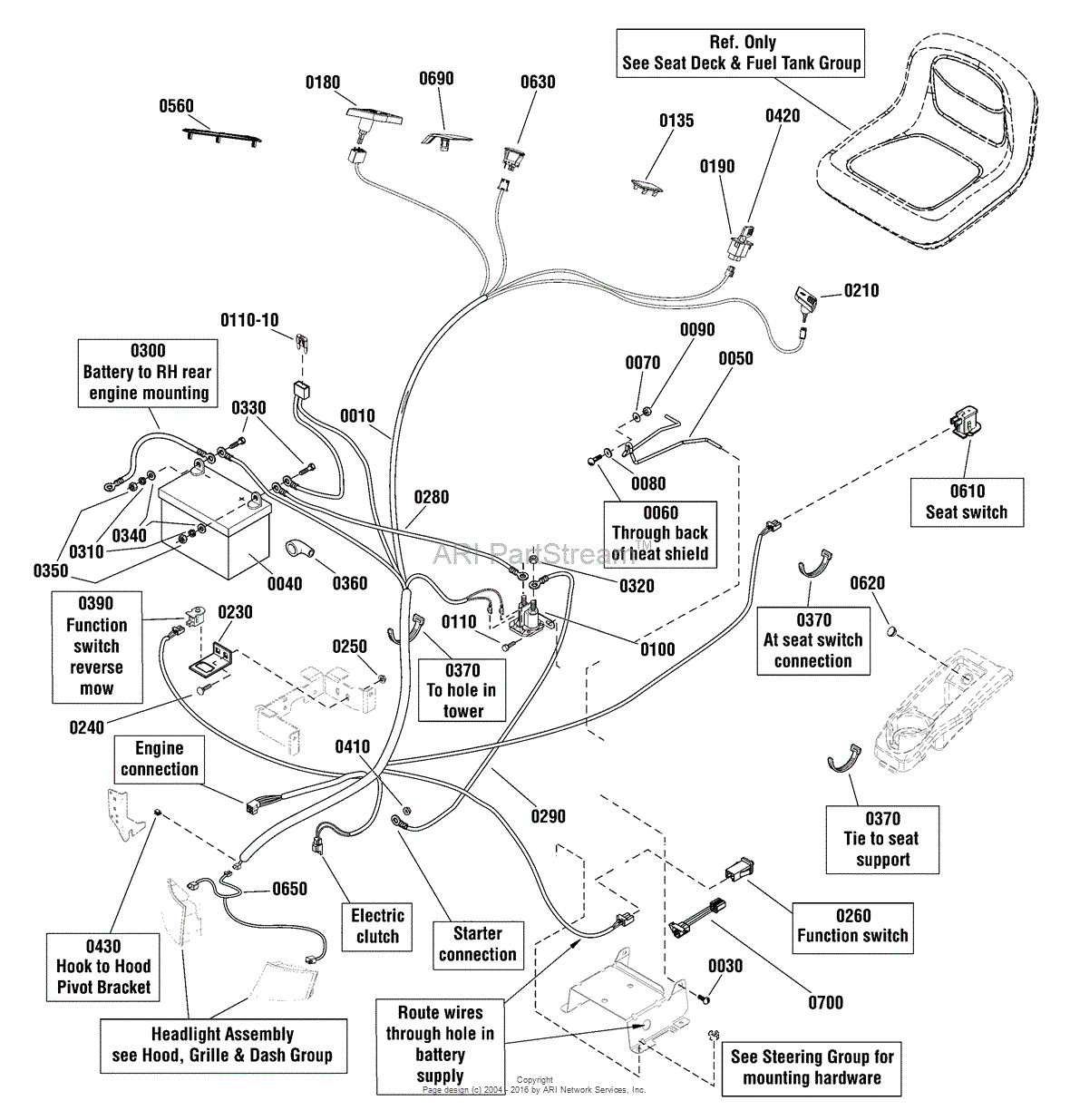
Snapper 2691248-00

Ariens 936053 960460026

Wiring Diagrams - Klx Klr 600 650

Mercedes W211 Fuse Box Diagram U2013 Schematic Diagrams
Diagram Combination Switch Schematic Wiring Diagram Switch
Download Combination Switch Schematic Wiring Diagram Switch
For example, "Let's start the engine and see if the car won't make that noise again." As for your two sentences, I agree that "Let's get started on building this table" sounds a bit awkward, but I might say "Let's get started on this table" just as easily as "Let's start building this table." More on that in my answer below.
In this way, how to get started would be less formal and much more conversational than how to start. Aside from the formal informal distinction, there is a slightly different meaning between start and get started.
Both are perfectly acceptable. Getting started implies a description of the process, Get started is a suggestion to the reader to do so, obviously to be followed by instructions.
You (had) better get started if you want to finish on time. 2 : to begin an important period in one's life or career newlyweds who are just getting started on their lives together. The form "get started" has the bare form of the verb "get", used for present tense and as a bare infinitive (without "to"). The verb "let's" is a contraction of "let ...
Is there any difference between these two sentences? Roll up your sleeves. We're about to get started! Roll up your sleeves. We're about to start!
In the given example, yes, you can replace get started on with start. I should start that sooner rather than that later. However, the two are not always interchangeable. Michael Owen Sartin wrote in a comment: There is a slight difference between 'start' and 'start on.' One can start an engine, and the engine will be running. If one starts on an engine, the implication is that he is beginning ...
In "Let's get started", the starting point is in view and "Let's get going", you are on the starting point already. Moreover, there is a sense of extra involvement abundantly made clear by the sentence, " Let's start going".
CDO merely lists 'get started' in this sense as a multi word synonym of 'begin'. The get passive is identical in form (the machine got started by the engineers when they arrived), but the usage in 'Let's get started' has no implication of an outside agency. 'Let's get going' is a close synonym.
From that point things started to getting complicated. Which of these sentences would be correct, if I want to imply that something happened and things are not in order anymore?
With reference to the question in the title: you can say that you'd get started. get started phrase Begin a task, endeavour, or process. ‘The trail features online activities to show people how to get started in exploring local history.’ ODO You ask whether "take them in" works. No, that sounds more like adopting strays. :)
3 way switch,3 way switch wiring,3 way switch wiring diagram pdf,3 way wiring diagram,3way switch wiring diagram,4 prong dryer outlet wiring diagram,4 prong trailer wiring diagram,6 way trailer wiring diagram,7 pin trailer wiring diagram with brakes,7 pin wiring diagram,alternator wiring diagram,amp wiring diagram,automotive lighting,cable harness,chevrolet,diagram,dodge,doorbell wiring diagram,ecobee wiring diagram,electric motor,electrical connector,electrical wiring,electrical wiring diagram,ford,fuse,honeywell thermostat wiring diagram,ignition system,kenwood car stereo wiring diagram,light switch wiring diagram,lighting,motor wiring diagram,nest doorbell wiring diagram,nest hello wiring diagram,nest labs,nest thermostat,nest thermostat wiring diagram,phone connector,pin,pioneer wiring diagram,plug wiring diagram,pump,radio,radio wiring diagram,relay,relay wiring diagram,resistor,rj45 wiring diagram,schematic,semi-trailer truck,sensor,seven pin trailer wiring diagram,speaker wiring diagram,starter wiring diagram,stereo wiring diagram,stereophonic sound,strat wiring diagram,switch,switch wiring diagram,telecaster wiring diagram,thermostat wiring,thermostat wiring diagram,trailer brake controller,trailer plug wiring diagram,trailer wiring diagram,user guide,wire,wire diagram,wiring diagram,wiring diagram 3 way switch,wiring harness
